
Ever stared at a pear in the produce aisle, wondering, “Am I about to feed my family fruit… or a science experiment?”
You’re not alone. Lucky for all of us, the Dirty Dozen and Clean Fifteen lists exist to help you pick your produce battles wisely and maybe even save a few bucks while you're at it.
At Nature’s Storehouse, we’re here to make healthy eating less stressful and more delicious (and hopefully a little more fun). So here’s your cheat sheet to produce peace of mind:
The Dirty Dozen (2024 Edition)
"Wait, 2024, why not 2025?"
The Dirty Dozen and Clean Fifteen lists are released in March of each year, based on testing data from the previous growing season.
- The 2024 list is the most current version available as of summer 2025.
- The 2025 list will likely be published in March 2026.
So while it may feel a little behind the calendar, the info is accurate and up-to-date.
The Dirty Dozen:
These fruits and veggies tend to hold onto pesticide residues. If you’re going to splurge on organic, start here.
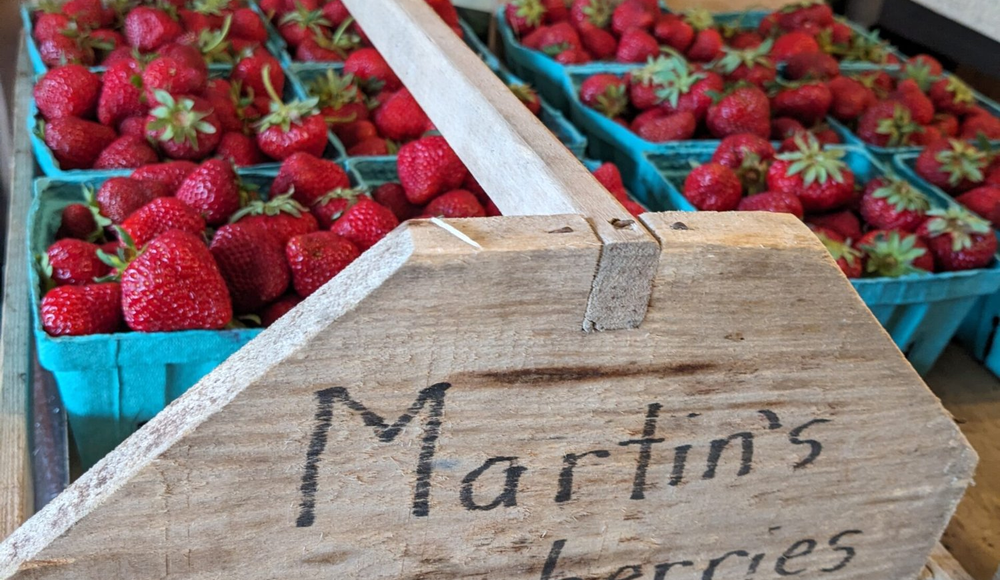
- Strawberries
- Spinach
- Kale, collards mustard greens
- Grapes
- Peaches
- Pears
- Nectarines
- Apples
- Bell hot peppers
- Cherries
- Blueberries
- Green beans
The Clean Fifteen (2024 Edition)
These produce items typically have low pesticide residues. You can breathe easy and save your organic budget for the items above.
- Avocados
- Sweet corn
- Pineapple
- Onions
- Papaya
- Sweet peas (frozen)
- Asparagus
- Honeydew melon
- Kiwi
- Cabbage
- Watermelon
- Mushrooms
- Mangoes
- Sweet potatoes
- Carrots
Real Talk from the Produce Section
- Buying organic isn’t all or nothing. Do what you can.
- Many local farmers use organic methods even without official certification.
- Wash everything. Even the cleanest produce deserves a rinse.
TL;DR (Too Long; Definitely Radishes)
- The Dirty Dozen = buy organic when you can.
- The Clean Fifteen = conventional is fine.
- The Storehouse = here to help you feel good about your groceries.
Swing by the produce section—ask what’s fresh, what’s local, and what’s been lovingly grown without mystery chemicals.
Mush love from your local happy potato,
Marybeth <3
Check out All Things Nature's by clicking here
